Most managers we meet see a rebrand as a cost: something you do when the logo starts to look old. We see it differently. Done well, it is one of the few investments that works on sales, talent and reputation at the same time. Done for the wrong reasons, it is decoration.
Where the value comes from
1. Price
Buyers pay more to a partner than to a supplier. When your brand still says “we make parts”, every negotiation starts from price. When it says what you really bring — engineering, reliability, service, speed — the conversation has somewhere else to go.
2. Sales
In B2B, most of the decision happens before the first meeting. Gartner found that B2B buyers spend only 17% of their buying time meeting potential suppliers; the rest goes on their own research. A clear brand does the explaining your team does today in every meeting.
3. Talent
Engineers, technicians and young managers look at your website and LinkedIn before they apply. A company that looks dated competes for people with a handicap it doesn’t deserve.
4. New markets
Abroad, nobody knows your history. A distributor in Germany or a buyer in Mexico only has what they can see: the website, the catalogue, the stand. The brand has to carry the trust that, at home, decades of relationships carry for you.
5. Valuation
When a new investor, a buyer or a bank looks at the company, a clear positioning and a solid digital presence make it easier to understand, and easier to value. Brand is an intangible asset, but it is still an asset.
What the research says
McKinsey followed 300 listed companies over five years. Those that managed design as a business discipline, not as decoration, grew revenue 32 percentage points faster than their industry peers (The Business Value of Design, 2018). Brand is only part of design, but the lesson holds: it pays when it is run as part of the business.
When a rebrand doesn’t pay
- When the problem is somewhere else. If the product, the price or the sales team is the issue, a new brand won’t fix it.
- When it is only a new logo. Without strategy, a rebrand changes the surface and leaves the confusion underneath.
- When it stays half done. A new logo on an old website, an old catalogue and an old stand confuses more than it helps.
How to know if it’s working
Take a baseline before you start, and look again six and twelve months after launch:
- Qualified enquiries through the website.
- Win rate, and how often price is the first objection.
- Time from first contact to signed order.
- Applications per job post.
- Searches for your company name.
- Whether AI assistants mention you when asked about your sector.
In practice
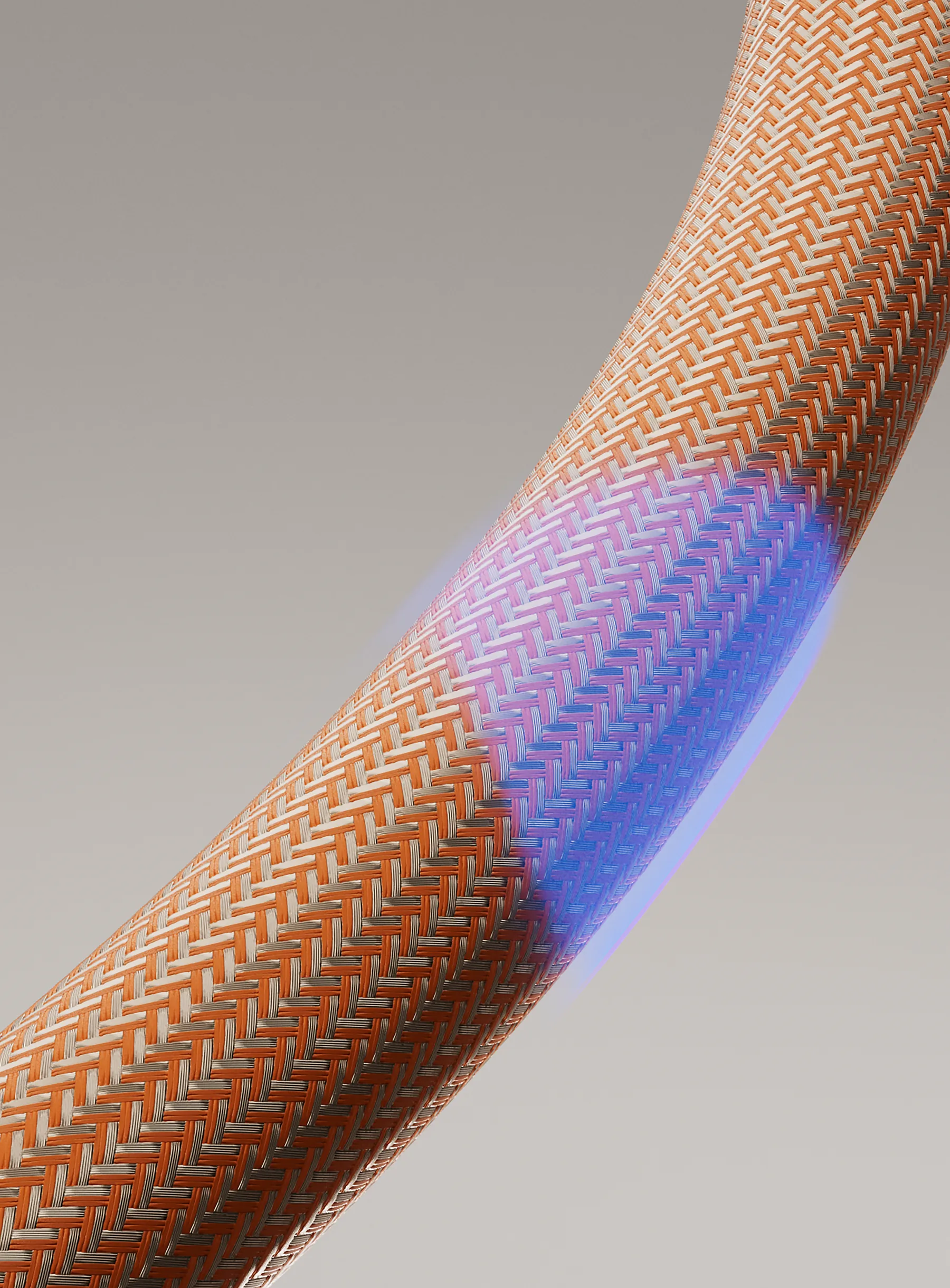
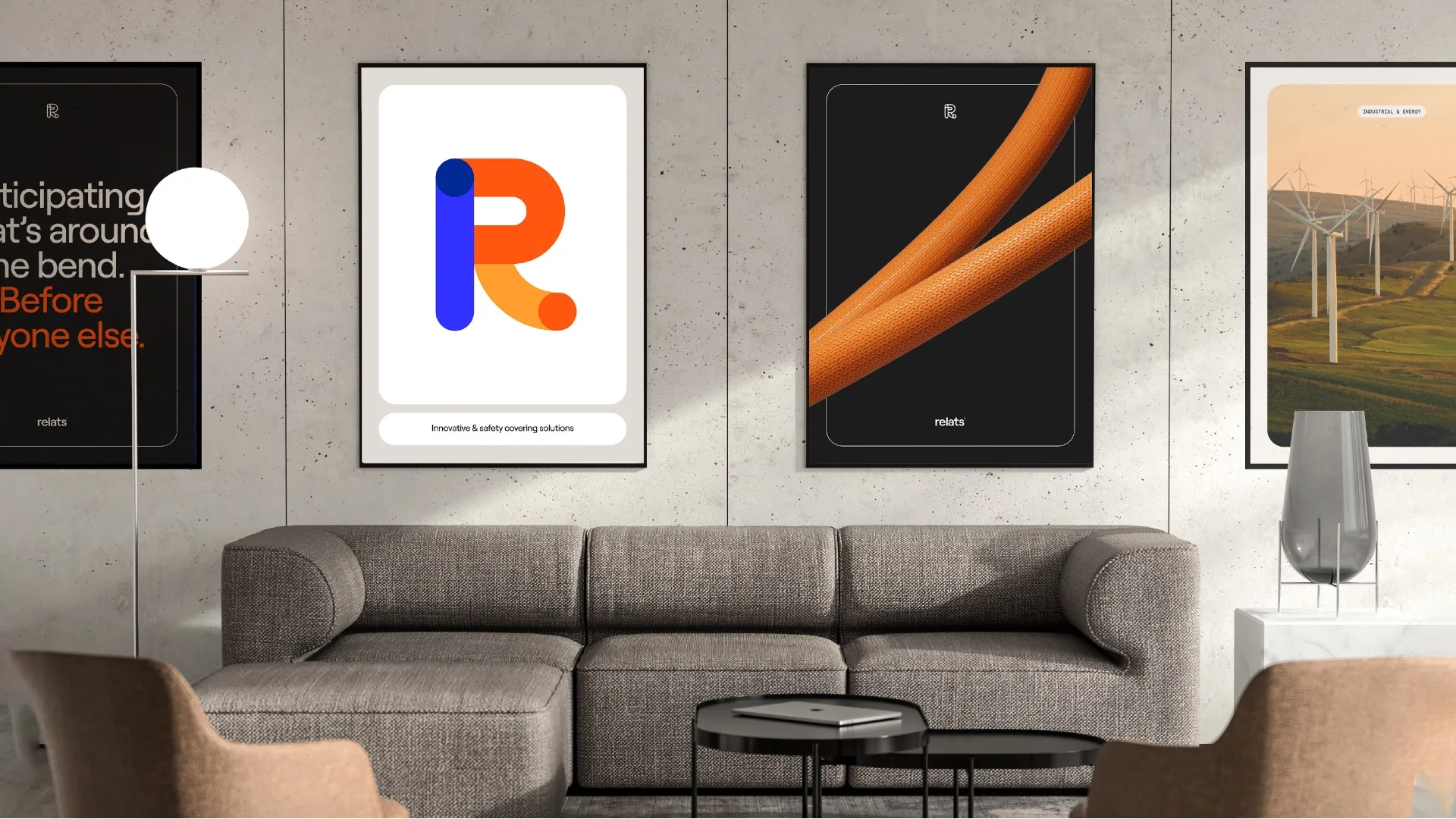
Relats engineers technical covering solutions for e-mobility, automotive and wind energy. Its brand read like a parts supplier. We repositioned it as a global partner in innovative, safety-driven solutions — strategy, identity and a new digital platform. See the Relats case.
FAQ
How long until we see results?
Some effects are immediate: the day the brand launches, sales has better material. Price, talent and reputation build over the following year.
Do we have to change our name?
Usually not. Often the name carries decades of trust and should stay. What changes is the positioning, the story and how the brand is applied.
Can we measure the return?
Yes, if you measure before you start. The list above is a good place to begin.
Want to know whether a rebrand makes sense for your company now? Write to [email protected] and we’ll tell you honestly.